
Proposed solar farm near Buena Vista Grasslands will add to mounting pressures on an already threatened population of the species.
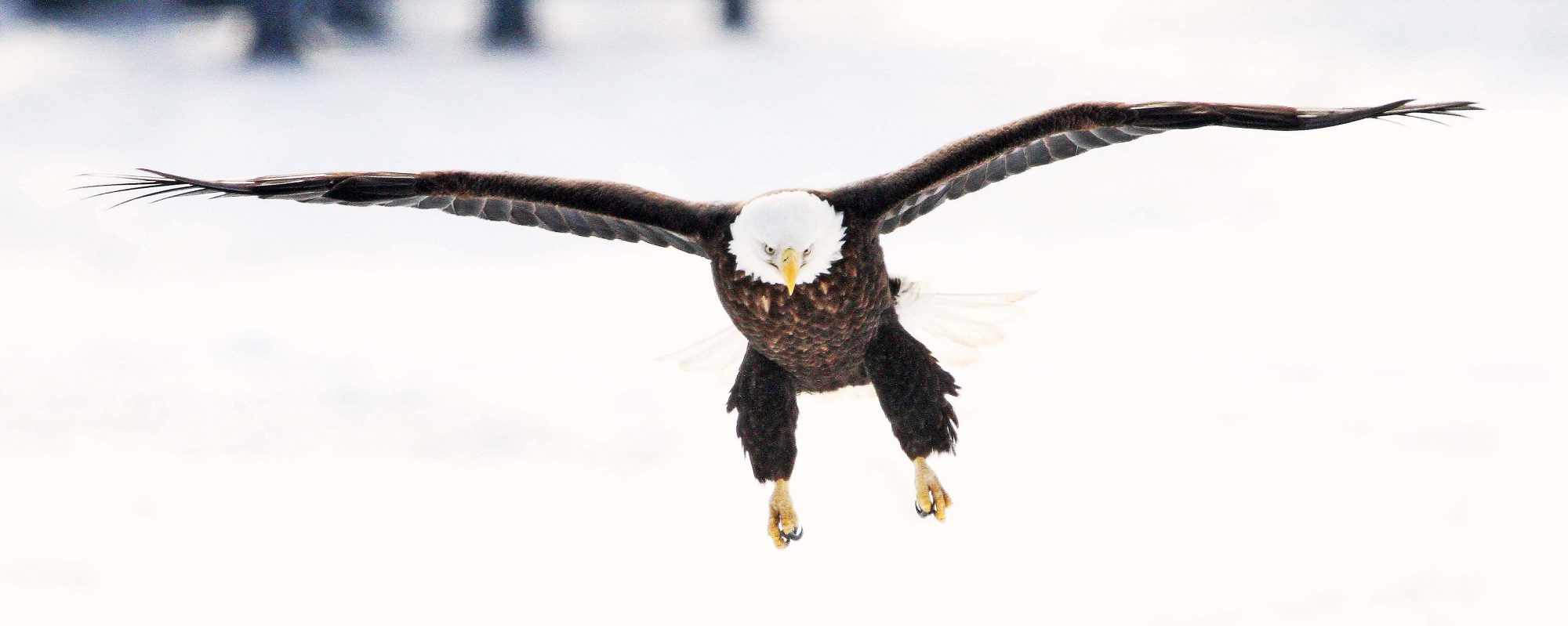
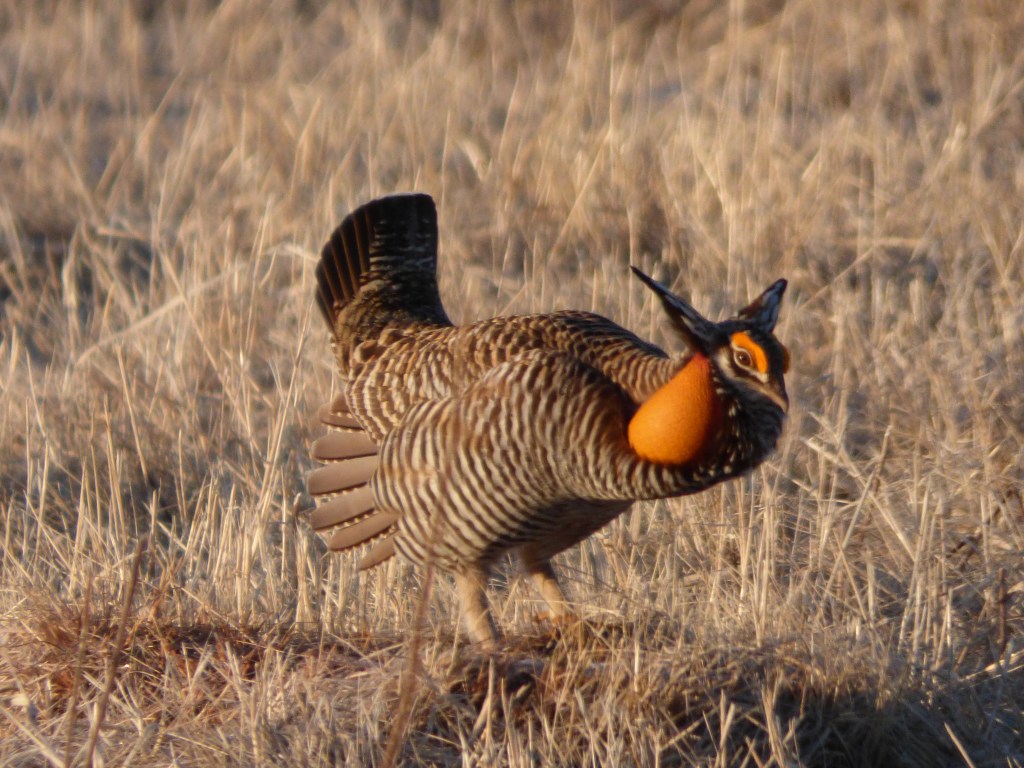
| A renewable energy project that would cover more then 7,000 acres in Portage County would be developed on land near to or bordering one of the last strongholds for the Greater Prairie Chicken in the state of Wisconsin. The Greater Prairie Chicken, which was once common in areas of Wisconsin and was found in every county, is now a species that is classified as “Threatened” in the state. These birds are highly susceptible to certain types of development and land use changes. The construction of energy infrastructure is certainly one of them. As we all know, the production and transmission of electricity usually requires the use of poles and overhead power lines. These poles and lines harbor one of the Prairie Chicken’s most notorious predators: Raptors. Raptors, or more commonly referred to as “Birds of Pray” are not necessarily bad and are a natural predator of Prairie Chickens. The problem is, that the proliferation of Raptors and other predators equals the demise of Prairie Chickens. Historically Prairie Chickens inhabited open grasslands or prairie habitat. This type of habitat provided little if any perches for Raptors and ample cover for the Prairie Chickens. In the aforementioned habitat, the birds were able to thrive despite a relatively low rate of predation by raptors. Adding a bunch of perches for Raptors to the landscape will certainly upset that ecological balance. In fact, Prairie Chickens are known to gradually disappear from areas that are not kept open due to a neglect to apply land management practices that limit the number of trees and other structures that provide perches for Raptors. It’s in the birds instincts to avoid areas that are not open enough and that provide perches or anything that can be perceived as a perch for Raptors. The Prairie Chicken simply does not feel safe enough to complete it’s life cycle in such an environment and either abandons or simply dies out of an area that has become unsuitable. To learn more about the Greater Prairie Chicken, click or tap the links below: https://www.audubon.org/field-guide/bird/greater-prairie-chicken https://www.allaboutbirds.org/guide/Greater_Prairie-Chicken https://apps.dnr.wi.gov/biodiversity/Home/detail/animals/6242 The biggest issue with Wisconsin’s Prairie Chickens, is that they literally have no where to go. The state’s population of Greater Prairie Chickens is confined to the Central Sands Region that is in and around the Stevens Point area. In the modern day, open grassland habitat has become rare and in consequence, so have the species of wildlife that depend upon it. To learn about the Buena Vista Wildlife Area and it’s history, click or tap on the link below: https://dnr.wisconsin.gov/topic/Lands/WildlifeAreas/buenavista.html We (Lakeland Audubon) encourage you to read a recent blog post from the Southern Wisconsin Bird Alliance and also an online article by the Milwaukee Journal Sentinel regarding this matter. Click or tap the links below: https://swibirds.org/blog/2024/6/11/wi-prairie-chickens-need-you https://www.jsonline.com/story/sports/outdoors/2024/08/04/public-hearing-comment-period-last-chances-to-weigh-on-proposed-portage-county-solar-farm/74650205007/ We also urge you (Lakeland Audubon Members) to let the Wisconsin Department of Natural Resources and Public Service Commission know how you feel. You can do this by submitting your comments online by (prior to) Friday, August 16. To submit your comments, click or tap the button (or link) below: https://apps.psc.wi.gov/ERF/ERF/comment/filecomment.aspx?util=9820&case=CE&num=100 |
 Lakeland Audubon Society