
Chapter Meeting
Tuesday, October 27, 2026
7:00 PM
Lions Field House – 270 Elkhorn Road (Highway 67), Williams Bay, WI
Free to attend and open to the public!
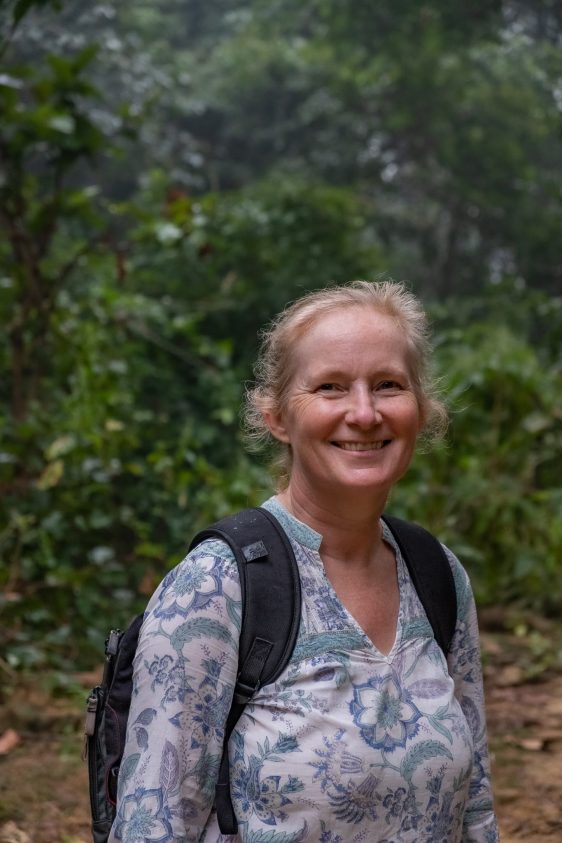
Speaker: Teri Allendorf
Topic: Community Conservation: From Wisconsin to the World

Learn how conservation in Wisconsin has influenced conservation around the world. Dr. Teri Allendorf will describe Community Conservation’s research and projects with numerous communities to protect biodiversity, including endangered species such as yellow-tailed woolly monkeys in Peru, orangutans in Malaysia, chimpanzees in Cameroon and tigers in Nepal, among many others.
About the speaker: Dr. Teri Allendorf is a conservation biologist who has worked on issues of local communities and conservation since 1994. She was a member of USAID’s Biodiversity Team, a Peace Corps Volunteer in Nepal, and has partnered with NGOs and communities on conservation issues in Nepal, Myanmar, China, and India. She has published numerous peer-reviewed articles in journals and taught courses at the University of Minnesota, University of Wisconsin-Madison, and Future Generations University, as well as short courses in India and Namibia.
She has also consulted on biodiversity and forestry projects for USAID in Tanzania, Mozambique, Uganda, Nepal, Guatemala, and Guyana. Currently, she is the director of Community Conservation, based in Viroqua, WI.

Bird Walks at Big Foot
Saturdays
11:00 AM
Big Foot Beach State Park – N1550 S Lakeshore Drive, Lake Geneva, WI
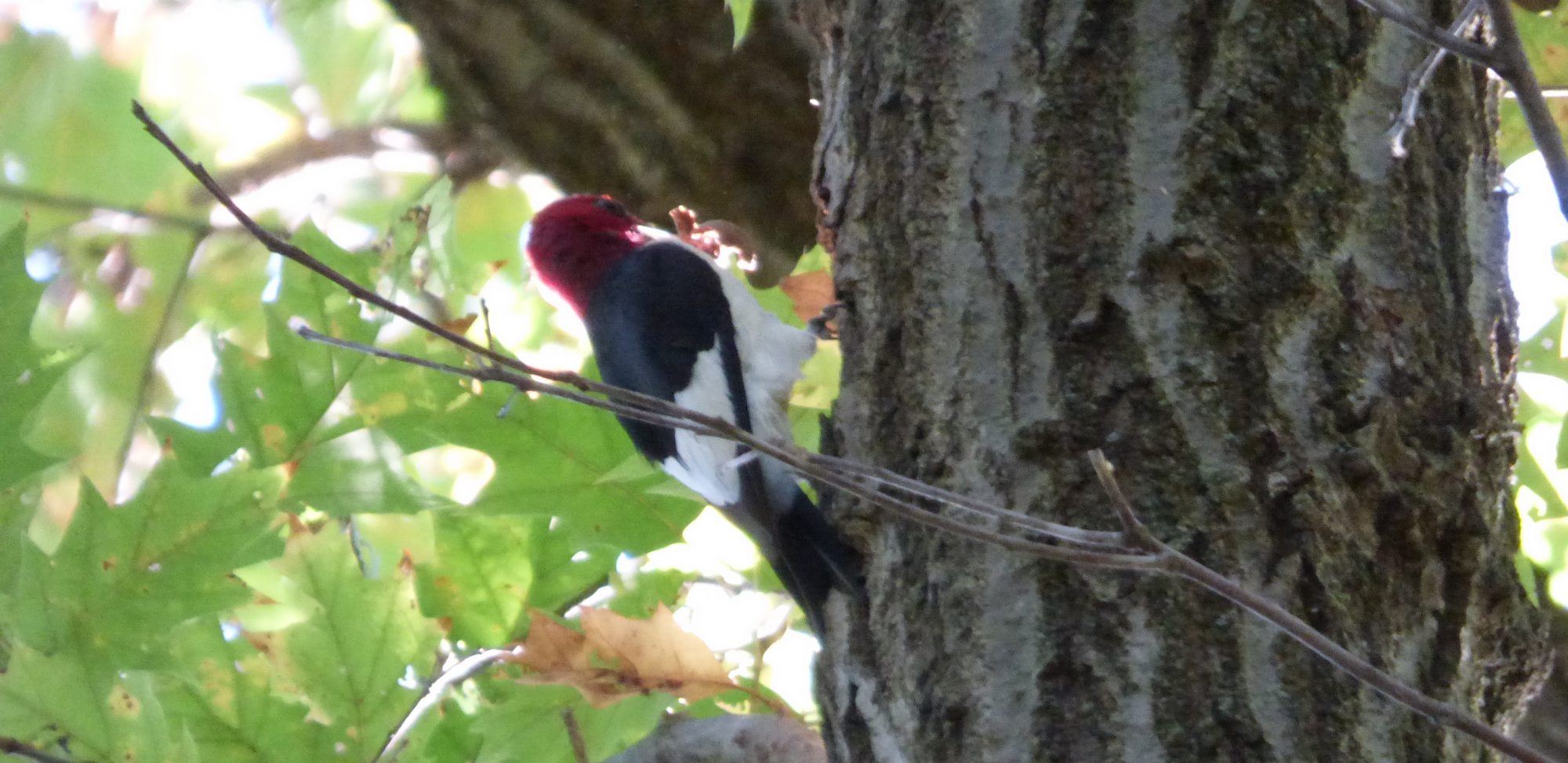
Join us for a Bird Walk near the shores of beautiful Geneva Lake. We will follow the park’s trails while on the lookout for birds and other wildlife. Meet in the main parking area to the right of the entrance station a little before 11:00 AM. A state park sticker: $28 or daily pass: $8 ($13, $3 if age 65 or older) is required to enter Big Foot Beach State Park.
Please contact us if you are interested in attending a walk.
Kevin Dickey – https://lakelandaudubon.com/contact/ or +1 (262) 729-9702
Visit the events page to see a list of our scheduled bird walks.
bird walks at white river
Sundays
11:00 AM
White River County Park – 6503 Sheridan Springs Road, Lyons, WI
Get out and enjoy one of the best parks Walworth County has to offer. We’ll walk the trails and be on the lookout for birds and other critters. We’ll also watch for plant blooms and other interesting elements of nature. Meet at the kiosk by the parking lot a little before 11:00 AM.
Please contact us if you are interested in attending a walk.
Kevin Dickey – https://lakelandaudubon.com/contact/ or +1 (262) 729-9702
Visit the events page to see a list of our scheduled bird walks.
Christmas bird count results
Lake Geneva CBC-2025 (Data)
For anyone who is interested in the final numbers of last year’s CBC, simply click on the link below:

